Stages of Sleep: Understanding Your Sleep Cycle
September 25, 2025
Stages of Sleep: Understanding Your Sleep Cycle
We often hear that sleep is essential for health and well-being—but did you know that it’s not just how much you sleep, but how well you move through the stages of sleep that determines how refreshed you feel? Every night, your body cycles through different phases that restore your body and mind. Understanding these stages—and how to create the right conditions for them—can transform the way you rest.
At Zero-G, our mission is to help you sleep more deeply and healthily, so let’s dive into what happens during each sleep cycle, why they matter, and how you can support your natural rhythms.
What Is the Sleep Cycle?
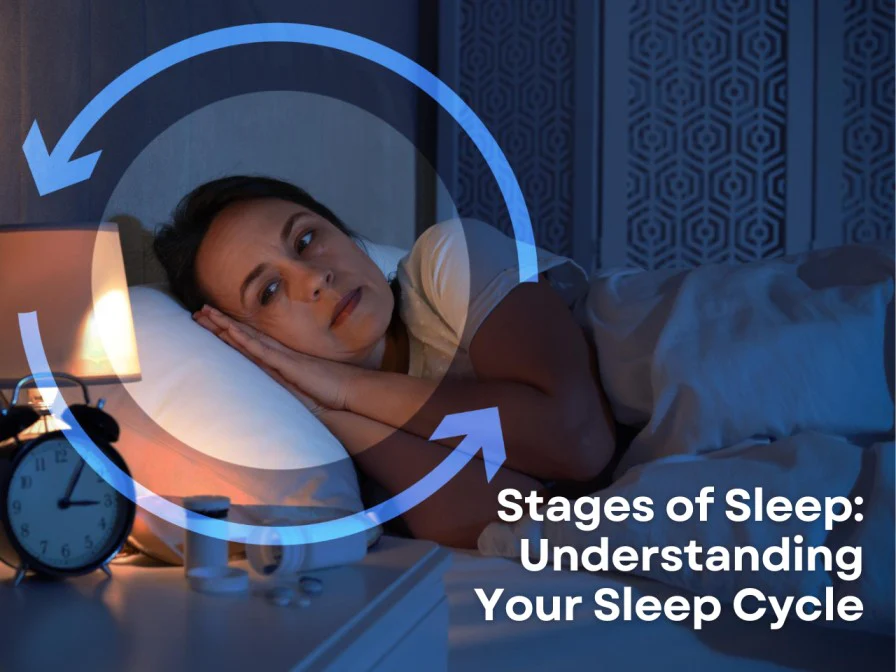
A sleep cycle is the progression through the various stages of sleep, from light sleep to deep sleep and REM (rapid eye movement). One cycle usually lasts around 90 minutes, and adults experience 4–6 cycles each night.
These cycles aren’t just a scientific curiosity—they’re the foundation of restorative sleep. Each stage plays a unique role in repairing your body, supporting memory and learning, and balancing hormones. Missing out on one stage can leave you groggy, unfocused, and fatigued.
The Stages of Sleep
Stage 1: Light Sleep (NREM 1)
This is the “dozing off” stage, where you transition from wakefulness to sleep. Your breathing slows, muscles relax, and brain activity begins to drift into slower patterns.
- Lasts only a few minutes.
- Easy to wake up from.
- Sets the stage for deeper rest.
How to support Stage 1: Creating a calm environment is key. A supportive mattress that cradles your body helps you relax faster so you don’t toss and turn.
Stage 2: Deeper Light Sleep (NREM 2)
This stage makes up the largest portion of your sleep cycle. Your body temperature drops, heart rate slows further, and your brain shows bursts of activity called “sleep spindles” that protect you from being woken too easily.
- Accounts for about 50% of total sleep.
- Crucial for processing motor skills and routines.
- Prepares you for restorative deep sleep.
How to support Stage 2: Minimizing disturbances is important here. Zero-G mattresses with motion isolation can reduce interruptions from a partner’s movement, letting you remain in this stable stage.
Stage 3: Deep Sleep (NREM 3)
Also known as slow-wave sleep, this is the most restorative part of the night. Your body repairs tissues, builds bone and muscle, and strengthens the immune system.
- Essential for physical recovery.
- Hardest stage to wake up from.
- Supports growth hormones and body repair.
Why it matters: Without enough deep sleep, you may wake up feeling physically drained, even after 7–8 hours in bed.
How to support Stage 3: Proper spinal alignment helps muscles fully relax. Adjustable beds in the Zero-G position—head and legs slightly elevated—reduce pressure on joints and improve circulation, creating the ideal conditions for deep rest.
Stage 4: REM Sleep
This is the stage most associated with dreaming. Brain activity rises to levels similar to being awake, but your body is temporarily “paralyzed” to prevent acting out dreams.
- Vital for memory, learning, and emotional regulation.
- Supports creativity and problem-solving.
- Usually begins 90 minutes after falling asleep, with cycle lengthening through the night.
Why it matters: Without enough REM sleep, you may struggle with focus, mood, and memory the next day.
How to support Stage 4: A temperature-regulating mattress can keep you cool and comfortable as REM tends to occur later in the night when core body temperature rises slightly.
Why Your Sleep Cycle Matters for Health?
Each stage of sleep contributes to specific aspects of health:
- Light sleep helps you transition into deeper rest.
- Stage 2 sleep reinforces learning and daily routines.
- Deep sleep repairs tissues, strengthens immunity, and restores energy.
- REM sleep consolidates memory, regulates emotions, and sharpens focus.
Skipping or disrupting these stages—due to stress, poor sleep surfaces, or medical conditions—can leave you unrefreshed despite spending hours in bed.
That’s why investing in both healthy habits and the right sleep environment is crucial for long-term well-being.
How Zero-G Mattresses Support Healthy Sleep Cycles?
At Zero-G, we focus on helping you transition smoothly through each sleep stage by designing products that complement your natural rhythms.
- Pressure Relief: Reduces tossing and turning so you stay asleep longer.
- Spinal Alignment: Supports your body in every sleeping position, crucial for deep sleep.
- Temperature Control: Keeps you cool and comfortable during REM stages.
- Zero-Gravity Positioning: Enhances blood flow and reduces pressure on the body—ideal for deep, restorative rest.
By combining scientific sleep knowledge with smart design, Zero-G helps you get the most from every cycle.
Practical Tips for Better Sleep Cycles
- Stick to a consistent bedtime.
- Limit caffeine and heavy meals before bed.
- Keep your bedroom cool, quiet, and dark.
- Try relaxation techniques like deep breathing.
- Choose a mattress and pillow that suit your sleep style.
These simple practices, paired with the right mattress technology, can help your body naturally progress through all four stages.
Final Thoughts
Understanding your sleep cycle isn’t just science—it’s the foundation of better health, sharper focus, and more energy every day. Each stage of sleep—light, deep, and REM—plays a unique role in healing and restoration. By supporting your body with the right environment, you can make sure you’re not just sleeping, but sleeping well.
With Zero-G’s advanced mattress and adjustable bed technology, you can align comfort with science, ensuring that every night supports your healthier sleep cycles. Because when your sleep improves, every part of life improves too.
FAQs: Understanding Sleep Stages and Cycles
Q: How many sleep cycles should I get each night?
Most adults benefit from 4–6 full sleep cycles, which equals around 7–9 hours of sleep.
Q: Which stage of sleep is the most important?
All stages matter, but deep sleep restores your body, while REM sleep restores your mind. Balance is key.
Q: Can poor mattresses affect my sleep cycle?
Yes. Discomfort, overheating, or lack of support can cause frequent awakenings, disrupting the natural flow of sleep stages.
Q: How can adjustable beds help?
Adjustable Zero-G beds elevate your body into positions that improve circulation, reduce snoring, and relieve pressure—helping you stay longer in restorative stages.